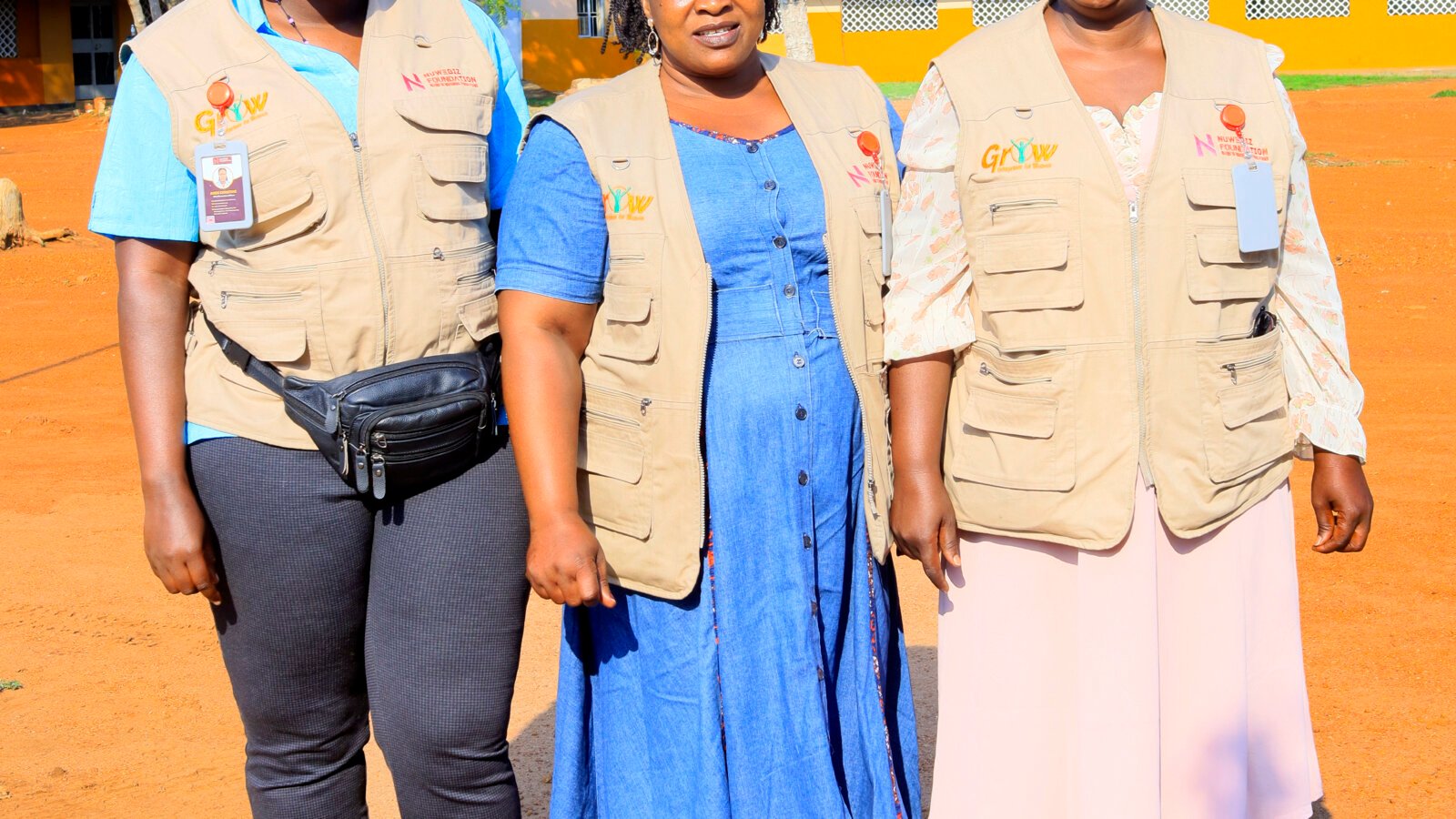
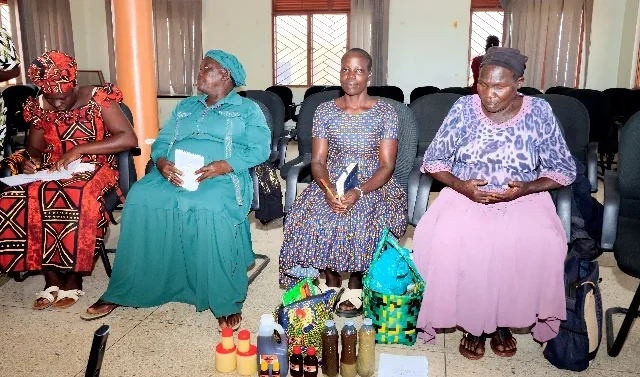
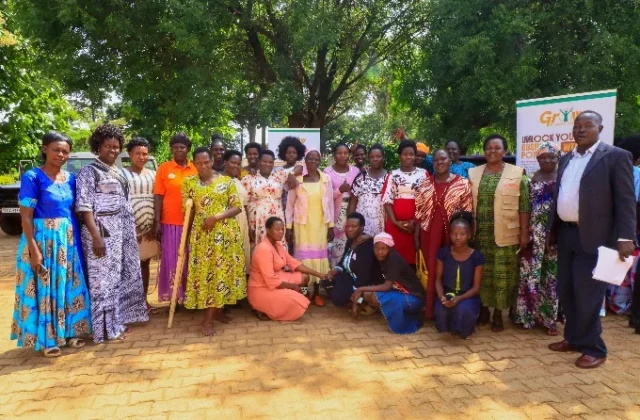
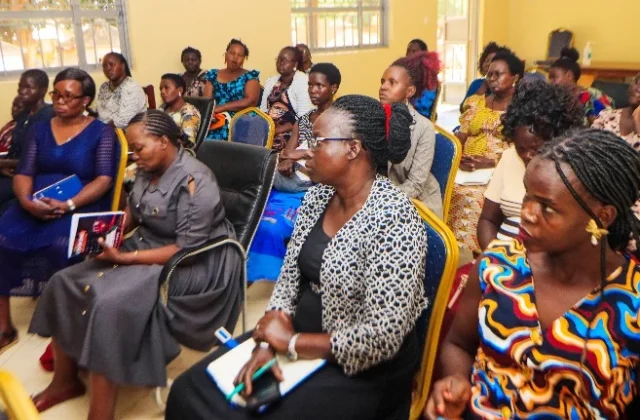
When evaluating philanthropic investments, the most critical metrics are scalability, sustainability, and measurable return on impact. Between May and June 2024, NUWEBIZ Foundation, in partnership with the Ministry of Gender, Labour and Social Development (MGLSD) and the Private Sector Foundation Uganda (PSFU) under the Generating Growth Opportunities and Productivity for Women Enterprises (GROW) Project, designed and executed a model that does exactly that.
Targeting 300 women entrepreneurs in Uganda’s refugee-hosting districts — Madi-Okollo, Lamwo, Obongi, and Terego — NUWEBIZ did not just distribute aid; it built a sustainable economic engine.
The Challenge vs. the NUWEBIZ Intervention: a comprehensive needs assessment revealed a common economic bottleneck. While many women in these refugee-hosting communities possessed informal vocational skills, they lacked formal certification, structured business knowledge, and access to financial capital — severely limiting their market competitiveness and business growth.
NUWEBIZ answered this challenge with a two-week residential training programme at the NUWEBIZ Training Centre in Lira City. The initiative integrated hands-on technical training with robust Business Development Services (BDS), covering business management, financial literacy, branding, and formal registration.
Key Performance Indicators — a proven return on investment: a 100% graduation rate, with all 300 women successfully completing the vocational and business training programme, and diversified skills acquisition across four trades, with 75 women trained in each of bakery, tailoring, soap and detergent production, and hairdressing.
204 women were assessed by Uganda’s Directorate of Industrial Training (DIT), resulting in 178 women receiving formal, nationally recognised DIT certificates. For financial inclusion and resilience, 8 Village Savings and Loan Associations (VSLAs) were established, immediately granting 240 women access to localised financial services.
All 300 women were linked to Business Development Services and continue to receive post-training mentorship and coaching — an investment model built not on aid, but on lasting, measurable economic impact.
 ✕
✕